AG Neurocity, Ghospura Moar,opposite civil hospital, Jalandhar road, Batala
🩺 Patient Information: Mammography
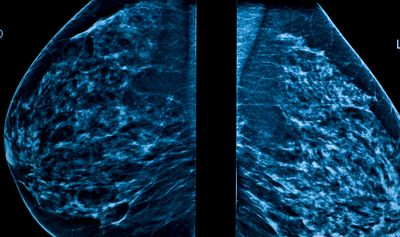
✅ What is Mammography?
Mammography is a specialized medical imaging technique that uses low-dose X-rays to detect early signs of breast cancer, even before symptoms appear. It plays a critical role in early detection, which increases the chances of successful treatment and survival.
🧪 Why is Mammography Important?
- Detects breast cancer early
- Helps identify non-palpable lumps or abnormalities
- Allows for less aggressive treatment options when caught early
- Reduces mortality related to breast cancer
👩⚕️ Who Should Get a Mammogram?
Age GroupRecommendation40–49 yearsDiscuss with doctor based on risk50–74 yearsEvery 1–2 yearsHigh-risk patientsMay need earlier and more frequent tests
🔍 Types of Mammograms
- Screening Mammogram
- For women without any symptoms
- Typically involves 2 views of each breast
- For women without any symptoms
- Diagnostic Mammogram
- For women with lumps, pain, or nipple discharge
- More detailed images from different angles
- For women with lumps, pain, or nipple discharge
🛑 How to Prepare for a Mammogram
- Do not wear deodorant or powder on the day of test (can affect images)
- Schedule the test a week after your period (less breast sensitivity)
- Wear a two-piece outfit for convenience
⏱️ What Happens During the Test?
- You will stand in front of a mammography machine.
- Your breast is placed on a flat surface and gently compressed with a paddle.
- Compression lasts a few seconds to obtain clear images.
- The procedure usually takes 15–20 minutes.
🤕 Is it Painful?
Some discomfort or pressure may be felt, but it's brief and tolerable. Communicate with the technician if you're uncomfortable.
📄 Results & Follow-Up
- Normal: Continue routine screening
- Abnormal: Further tests like ultrasound, MRI, or biopsy may be advised
- You will receive a radiologist’s report within a few days