AG Neurocity, Ghospura Moar,opposite civil hospital, Jalandhar road, Batala
🧠 Patient Information Leaflet – CT Scan
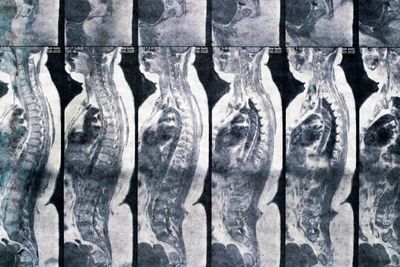
🔍 What is a CT Scan?
A CT (Computed Tomography) scan is a non-invasive, advanced imaging test that uses X-rays and computer processing to create detailed cross-sectional images of the body. It helps in diagnosing conditions affecting the brain, spine, lungs, abdomen, and other internal organs.
🏥 Why is a CT Scan Done?
CT scans are used to:
- Detect tumors, strokes, and bleeds in the brain
- Evaluate spinal injuries or disc problems
- Identify infections or inflammation
- Guide biopsies or other procedures
- Assess internal injuries after trauma
- Diagnose lung diseases, kidney stones, and more
🛏️ What to Expect During the Procedure?
- Preparation
- You may be asked to fast for a few hours if contrast dye is used.
- Remove metal objects like jewelry.
- You may be asked to fast for a few hours if contrast dye is used.
- During the Scan
- You’ll lie on a motorized table that slides into the CT scanner.
- The scan takes just a few minutes and is painless.
- You may hear clicking or buzzing sounds during imaging.
- You’ll lie on a motorized table that slides into the CT scanner.
- Use of Contrast
- Sometimes, a contrast material is injected to get a clearer view.
- Inform the staff if you have allergies, especially to iodine.
- Sometimes, a contrast material is injected to get a clearer view.
✅ Advantages of CT Scan
- Quick and highly detailed images
- Non-invasive
- Helps in early and accurate diagnosis
- Suitable for emergency cases (like head trauma or stroke)
⚠️ Are There Any Risks?
- Minimal radiation exposure (well within safety limits)
- Rare chance of allergic reaction to contrast dye
- Not recommended for pregnant women unless essential
👨⚕️ About Dr. Atul Goel
Dr. Atul Goel (MD, DM – Neurology) is a leading Consultant Neurologist trained from JIPMER, Pondicherry, and former topper of India’s super-specialty exams. He has extensive expertise in neuroimaging, stroke, epilepsy, and neurodegenerative disorders. With over 10 publications and regular speaker at national & international conferences, he offers expert and compassionate care to every patient.